

Why Media Interviews Matter for Australian Businesses
In today’s fast-paced Australian media landscape, facing the press isn’t just for big corporations. For your business, a well-handled media interview can be a powerful tool to speak directly to potential customers, investors, and the wider community. Think of it as an opportunity to shape the public’s perception of your brand, share your story, and highlight what makes your business unique.
Getting your founder ready for media interviews or investing in media training for business individuals can make a significant difference. It’s not about being a slick performer; it’s about communicating clearly and authentically. When you’re prepared, you can confidently address the public, build trust, and demonstrate your business’s value. This can lead to increased brand awareness, stronger customer loyalty, and ultimately, business growth.
Consider the impact:
- Increased Credibility: Positive media coverage lends an air of authority and trustworthiness to your business.
- Wider Reach: Media outlets can expose your business to audiences you might not otherwise reach.
- Reputation Management: Proactive engagement allows you to control the narrative and address any concerns head-on.
Ultimately, mastering media interviews helps you build a stronger, more visible presence in the Australian market.
Mistake 1: Lack of Preparation
You wouldn’t head into a major business deal without doing your homework, so why would you approach a media interview any differently? Many Australian business leaders underestimate the importance of thorough preparation, leading to interviews that miss the mark. This oversight can mean your message gets lost, or worse, misconstrued.
Not Understanding the Journalist’s Angle
Journalists aren’t just looking for a story; they’re looking for a specific angle. They’ll have a particular narrative in mind, often driven by current events, public interest, or a specific angle they’ve been assigned. If you haven’t taken the time to understand what the journalist is trying to achieve with their piece, you’re essentially flying blind. This can lead to you providing information that doesn’t fit their story, resulting in your comments being cut or twisted to fit their preconceived notion.
- Research the publication and the journalist: Look at their recent articles. What topics do they cover? What’s their writing style? Who do they usually interview?
- Anticipate their line of questioning: Based on their past work and the current news cycle, try to guess what they’ll ask.
- Clarify the scope: If possible, ask the journalist directly about the focus of the interview and what they hope to get out of it. This isn’t about giving them the story, but about ensuring you can provide relevant insights.
Failing to Anticipate Tough Questions
It’s easy to prepare for the questions you want to answer. It’s much harder, but far more important, to prepare for the ones you don’t. Australian media can be quite direct, and avoiding difficult topics won’t make them disappear. If you’re caught off guard by a challenging question, your response can appear defensive, evasive, or unprepared, damaging your credibility.
Preparing for tough questions isn’t about having all the answers, but about having a strategy for how you’ll respond. This might involve acknowledging the issue, pivoting to your key messages, or stating what you can and cannot discuss.
Think about potential criticisms of your business, industry challenges, or any recent controversies. Prepare concise, honest, and on-message answers for these. It’s better to have a well-thought-out response ready, even if the question isn’t asked, than to be caught speechless when it is.
Mistake 2: Not Having Clear Key Messages
When you’re speaking with the media, it’s easy to get sidetracked. Without a clear set of key messages, your interview can become a rambling discussion that doesn’t achieve anything for your business. Australian journalists are often looking for a concise angle, and if you can’t provide one, they’ll find their own – which might not be in your best interest.
Waffling and Losing Focus
One of the biggest pitfalls is not having a few core points you want to get across. You might feel pressured to answer every single question asked, or to fill silences, leading to you talking in circles. This makes it difficult for the audience to understand what your main takeaway should be. It’s like trying to build a house without a blueprint; you end up with a mess.
- Prepare 2-3 core messages before any interview.
- These should be simple, memorable, and relevant to your business.
- Practice weaving these messages into your answers, even if the question doesn’t directly relate.
Not Tailoring Messages to the Audience
What works for a business publication might not land well with a general news audience or a specialist trade journal. You need to consider who is listening or reading and adjust your language and focus accordingly. Using overly technical terms or industry jargon with a general audience will just confuse them and make your business seem out of touch.
Think about the publication and its typical reader. What do they care about? What language do they use? Your message needs to connect with their interests, not just state your company’s facts.
Here’s a simple way to think about tailoring:
- General Audience: Focus on the impact on everyday Australians, community benefits, or relatable problems your business solves.
- Industry Publication: Use more specific terminology, discuss market trends, innovation, and competitive advantages.
- Business/Finance Media: Highlight economic impact, growth, investment, and leadership insights.
Failing to have clear, audience-appropriate messages means your interview might be heard, but it won’t be understood or remembered.
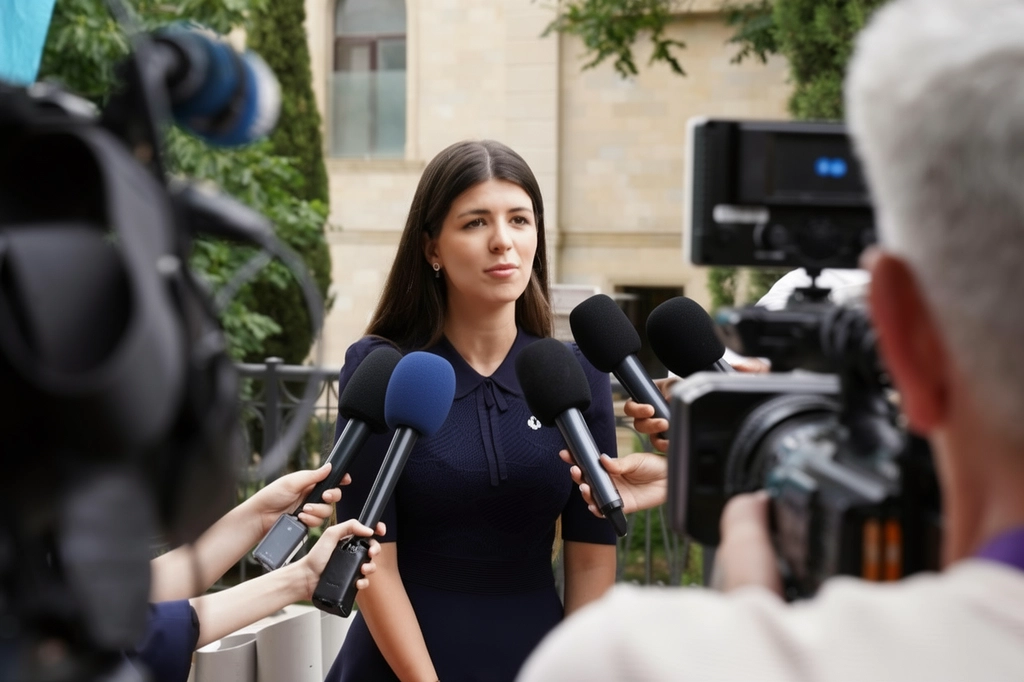
Mistake 3: Poor Body Language and Tone
How you present yourself physically and vocally during a media interview can speak volumes, often before you even utter a word. In the Australian media landscape, where journalists are skilled at reading people, your non-verbal cues are just as important as your spoken responses. Appearing disengaged or overly tense can undermine even the most well-prepared message.
Appearing Nervous or Uninterested
Fidgeting, avoiding eye contact, or slumping your shoulders can signal to the journalist that you’re not comfortable or confident. This can make your organisation seem less credible. It’s natural to feel a bit of nerves, but try to channel that energy positively. Sit up straight, maintain steady eye contact (without staring intensely), and use open gestures. Think about how you’d present yourself in a face-to-face meeting with a key client – that same level of professional composure is expected.
Using Jargon or Overly Technical Language
One of the biggest pitfalls is assuming the journalist, and by extension, your audience, understands highly specialised terms. While you might be an expert in your field, the public likely isn’t. Using industry-specific language can alienate listeners and make your message unclear. Always aim to explain complex ideas in simple, relatable terms. If you must use a technical term, be prepared to define it immediately.
Here’s a quick guide to help you simplify:
- Identify your audience: Who are you trying to reach with this interview?
- Define key terms: What words or concepts might be unfamiliar?
- Use analogies: Can you compare a complex idea to something everyday?
- Focus on benefits: How does this affect the average Australian?
Remember, the goal of a media interview is to communicate effectively with a broad audience. If people don’t understand what you’re saying, your message won’t land, and the opportunity will be lost.
Your tone of voice also plays a significant role. A monotone delivery can sound bored, while speaking too rapidly might suggest anxiety. Aim for a clear, measured pace with a confident and approachable tone. Practising your responses aloud, perhaps even recording yourself, can help you identify and correct any habits that might detract from your message.
Mistake 4: Saying Too Much (or Too Little)
When you’re in front of the cameras, it’s easy to fall into the trap of rambling on. This can be detrimental to your message.
Saying too much often happens when you’re nervous or trying too hard to fill silence. You might find yourself going off on tangents, repeating points unnecessarily, or revealing information that isn’t relevant or could even be misconstrued. This can dilute your core message and make it difficult for the audience to grasp what’s important. Think about it: if you’re talking for five minutes about a minor detail, the main point gets lost.
On the flip side, saying too little can make you appear unprepared, unengaged, or like you’re hiding something. Short, clipped answers might leave the journalist and the audience wanting more, potentially leading them to fill the void with their own assumptions. In the fast-paced Australian media landscape, a missed opportunity to communicate clearly is a significant setback.
Here’s how to strike the right balance:
- Know your core message inside out: This acts as your anchor. If you start to drift, bring it back to your key points.
- Practice concise answers: Aim for clarity and brevity. Think about the most important takeaway for each question.
- Embrace strategic silence: A brief pause before answering shows you’re considering the question thoughtfully. It’s not always necessary to jump in immediately.
- Use the ‘bridging’ technique: If asked a question you don’t want to answer directly, you can ‘bridge’ to a message you do want to deliver. For example, ‘That’s an interesting point, and it actually leads me to what’s most important for us right now…’
The goal is to be informative without being overwhelming, and direct without being evasive. Your responses should be purposeful and contribute to the overall narrative you want to convey about your business.
Mistake 5: Not Following Up or Leveraging the Coverage
You’ve done the hard yards, prepared thoroughly, and delivered a strong media interview. That’s fantastic. But the work doesn’t stop the moment the recorder is switched off. Many Australian businesses miss a significant opportunity by not following up or actively using the media coverage they’ve secured. This is a missed chance to amplify your message and reinforce your brand’s presence in the local market.
Think of the interview as just one step in a larger communication strategy. Once the story is published or broadcast, it’s time to make it work for you. This means sharing it across your own channels – your website, social media, and email newsletters. Don’t assume your audience will see it; actively direct them to it. This not only extends the life of the story but also demonstrates your company’s engagement with current affairs and industry discussions.
Here’s how you can make the most of your media wins:
- Share widely: Post links to the article or clips of the interview on all your company’s social media platforms. Tag the journalist and the media outlet if appropriate.
- Repurpose content: Extract key quotes or insights to create social media graphics, blog posts, or even internal training materials.
- Update your website: Feature positive media coverage prominently on your website, perhaps in a ‘News’ or ‘In the Media’ section.
- Internal communication: Share the coverage with your team. It’s a great morale booster and reinforces the company’s achievements.
- Direct outreach: If the interview was particularly relevant to a specific client or partner, consider sending them a direct link.
Failing to follow up and repurpose coverage means leaving valuable marketing assets on the table. It’s about extending the reach of your message beyond the initial publication and ensuring it continues to benefit your business long after the interview concludes. Consider it an investment in your brand’s ongoing visibility and credibility within the Australian business landscape.
Final Thoughts
Avoiding these common media interview slip-ups is key for any Australian business leader wanting to communicate effectively. It’s not about being perfect, but about being prepared and mindful of how you present yourself and your organisation. By understanding these potential pitfalls and actively working to steer clear of them, you can ensure your next media engagement is a success, building trust and clearly sharing your message with the public. Remember, practice and a clear strategy go a long way in making sure your voice is heard, and heard well.